KEY TAKEAWAYS
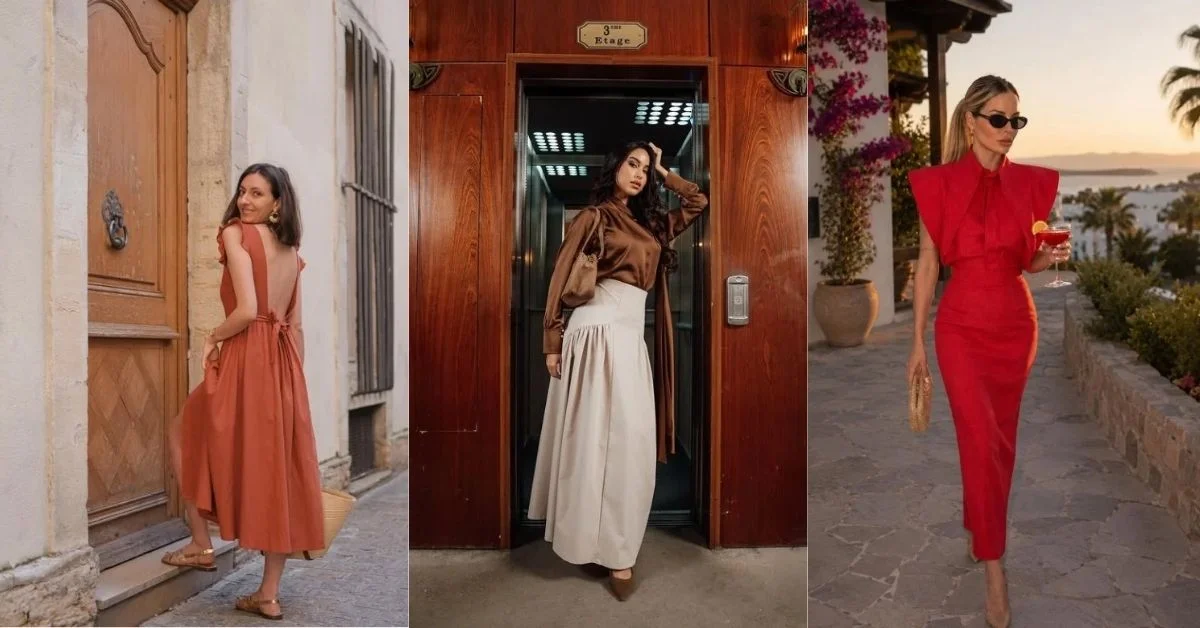
- Warm skin looks especially beautiful in colors with golden, peach, yellow, orange, or earthy undertones, including cream, camel, terracotta, coral, olive, and warm red.
- The right depth matters as much as the color family. A soft warm shade can flatter a lighter complexion, while richer versions often create more definition on deeper skin.
- You do not need to follow a strict color rulebook. Start with shades that brighten your face, then use contrast and accessories to make less flattering colors easier to wear.
What are the best colors for warm skin tone when you want your outfit to make your complexion look fresh and bright? I used to think warm skin meant wearing only beige and brown, but there are so many better options.
From creamy neutrals to rich earthy shades, the right colors can bring out the natural warmth in your skin. Here are 20 beautiful shades I’d actually wear, starting with the easiest ones to style.
How to Tell If You Have a Warm Skin Tone
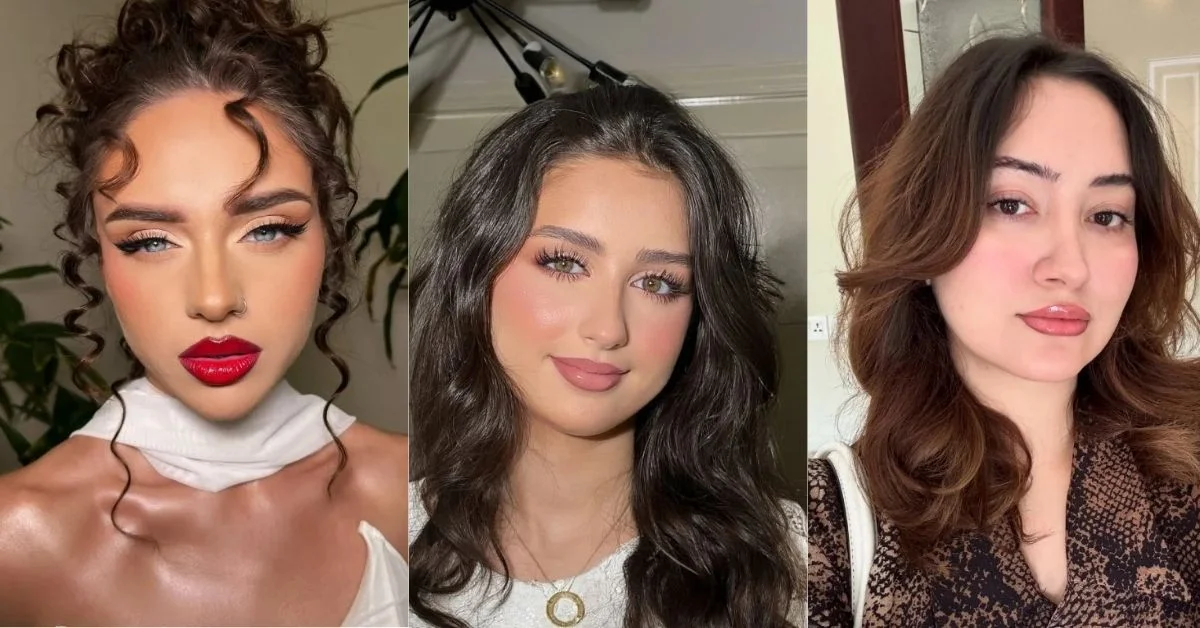
Not sure whether your skin has warm undertones? Look for a subtle golden, yellow, or peachy cast rather than focusing only on how light or deep your skin is.
- Check your veins: Greenish-looking veins can be a clue toward warm undertones.
- Try gold jewelry: If yellow gold tends to look especially natural against your skin, warmth may be present.
- Compare white shades: Hold bright white and cream near your face in natural light. If cream looks more flattering, you may lean warm.
- Notice your reaction to color: Warm shades such as peach, coral, camel, and terracotta may make your complexion look more lively.
No single test is perfect, so I prefer comparing a few shades in natural daylight before deciding. Your skin depth can also affect which version of a warm color looks best on you.
20 Best Colors for Warm Skin Tone
Ready to find the shades that make your warm complexion glow? These 20 colors are worth trying.
1. Cream Ivory for a Soft Elegant Look
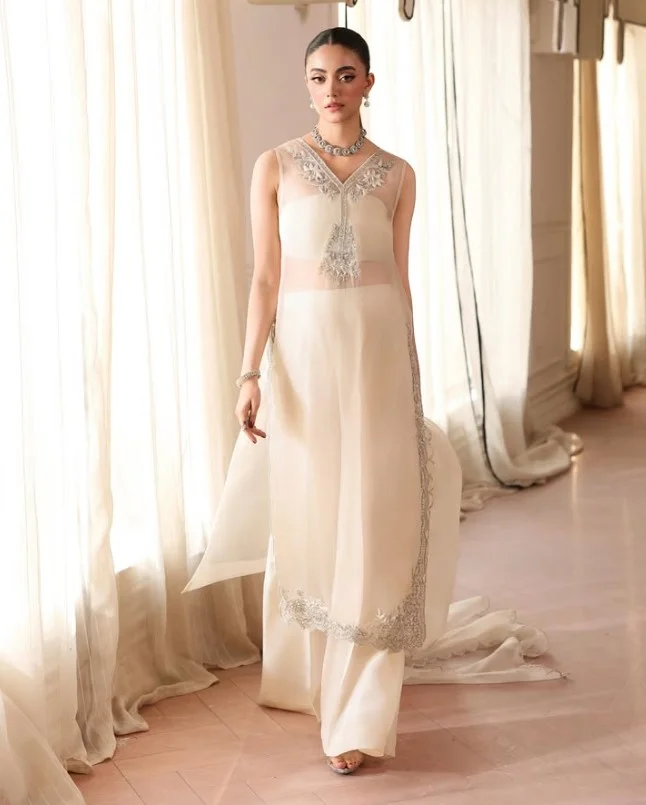
Cream ivory is the color I reach for when bright white feels too sharp against my skin. Its soft warmth works beautifully with golden, peach, and yellow undertones without overpowering the face. I love it in sweaters, blouses, and dresses because it feels clean while still looking warm. Pair it with camel or gold accessories, and the result feels polished without trying too hard.
Pro Tip: Compare cream with pure white beside your face in daylight; the better shade should make your skin look clearer rather than duller.
2. Camel Beige for a Warm Neutral Outfit
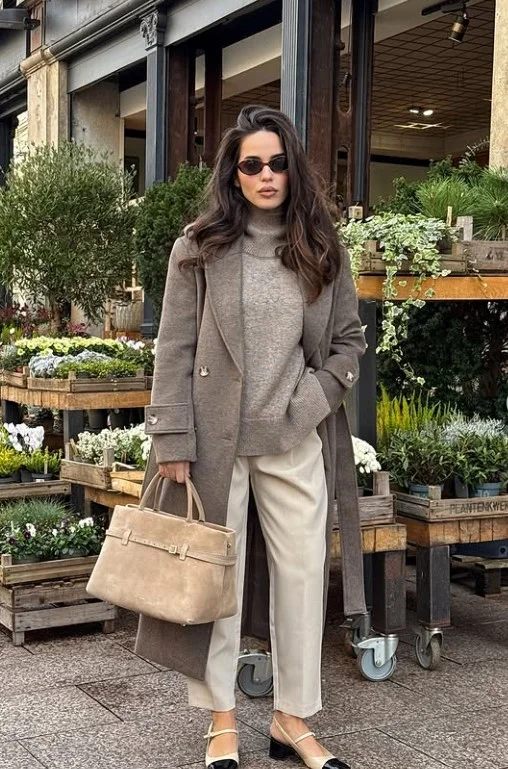
Camel beige gives a neutral outfit much more warmth than a cool gray or icy beige. I’d wear it as a coat, blazer, sweater, or trouser when I want something timeless that still flatters my complexion. Cream, chocolate brown, dark denim, and gold all work beautifully beside it. It is also an easy shade to repeat because it does not depend on a particular season.
Pro Tip: Choose a golden camel instead of a gray-beige if cool neutrals tend to make your skin look tired.
3. Caramel Brown for Rich Everyday Style
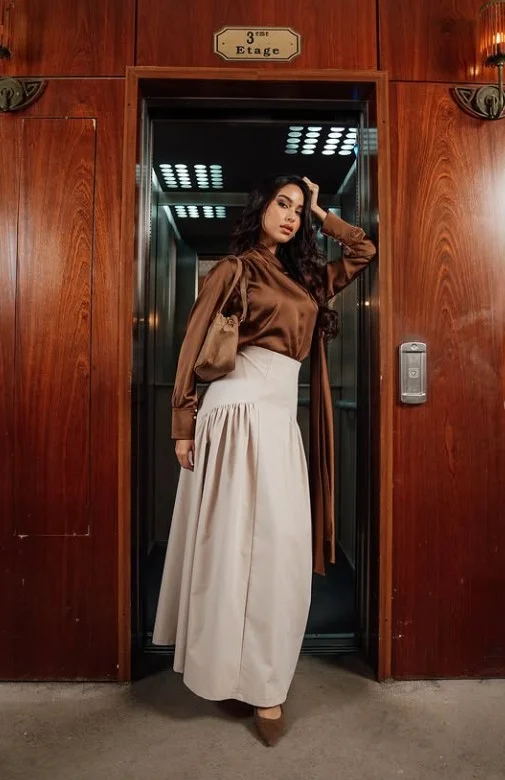
Caramel brown adds a subtle golden depth that makes warm skin look naturally radiant. I especially like it in leather bags, knitwear, belts, and shoes because even a small amount can warm up an outfit. With ivory, it feels refined, while denim gives it a more relaxed everyday mood. This is one of my favorite colors when I want warmth without wearing something bright.
Pro Tip: If caramel sits too close to your complexion, wear a deeper brown or lighter cream near your face to create more contrast.
4. Chocolate Brown for a Deep Polished Finish
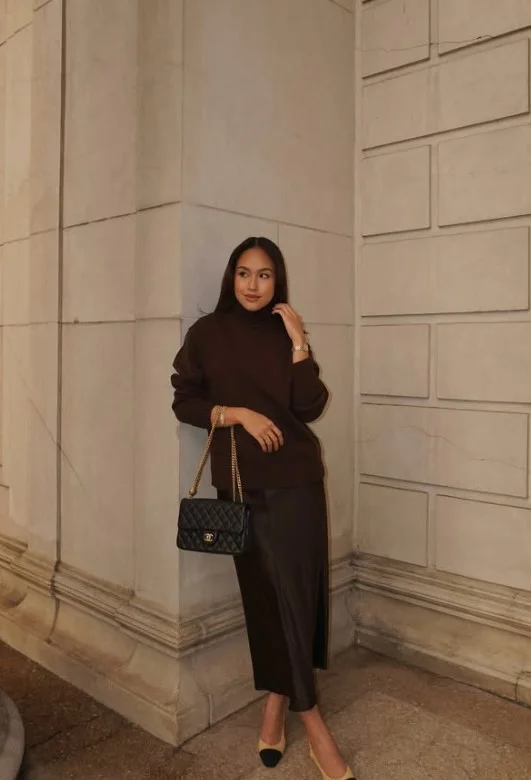
Chocolate brown is my go-to when black feels a little too stark, but I still want a dark, sophisticated color. Its rich brown base works naturally with warm undertones and looks especially good with cream, caramel, rust, and gold. I’d choose it for tailored trousers, boots, blazers, or an evening outfit when I want depth without a harsh finish. A simple gold earring can add just enough brightness to complete the look.
Pro Tip: Look for chocolate brown with warm red or golden notes rather than a cool taupe-brown when choosing clothing close to your face.
5. Terracotta for a Beautiful Earthy Glow
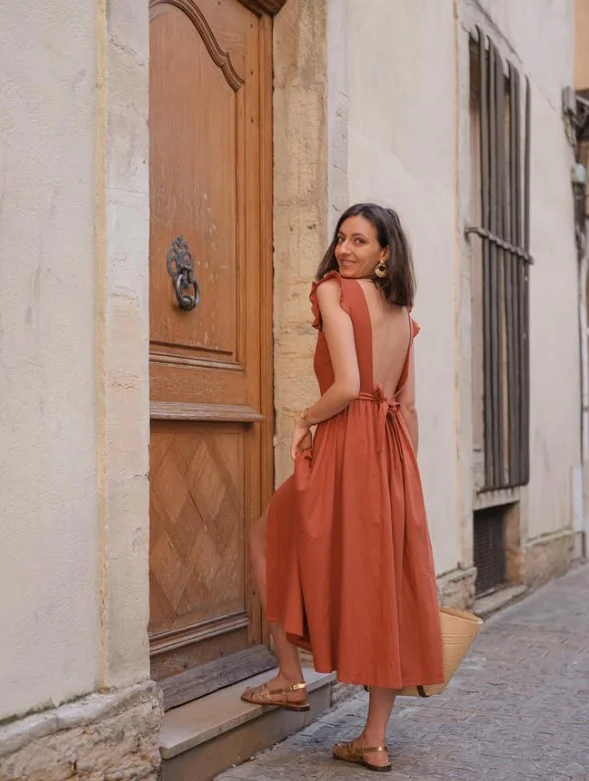
Terracotta combines warm orange, red, and brown, giving it a natural connection with warm complexions. I reach for it when I want more personality than beige but something softer than bright orange. It looks beautiful with cream trousers, tan sandals, dark denim, or simple gold jewelry. The shade also moves easily from relaxed daytime outfits to richer fall looks.
Pro Tip: If orange makes your skin look overly yellow, choose a terracotta with more muted red and brown rather than adding a brighter shade.
6. Rust Orange for a Warm Autumn Look
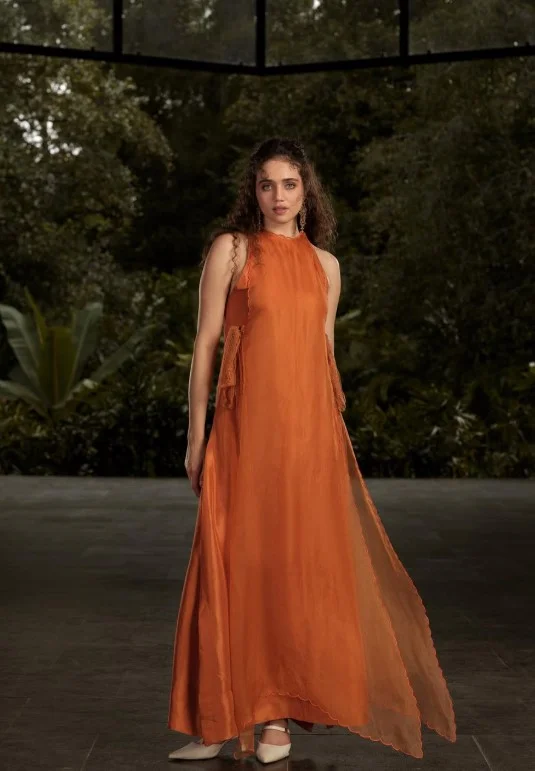
Rust orange has just enough red and brown to make orange feel rich rather than loud. I love it with cream jeans, dark denim, or a simple tan bag when I want an outfit that feels warm and put together. It is especially pretty in sweaters, satin skirts, lightweight jackets, and autumn dresses. If you prefer earthy colors over bright ones, this shade is an easy place to start.
Pro Tip: Choose a deeper rust when bright orange feels too strong near your face, especially if your coloring is soft or muted.
7. Burnt Orange for a Bold Sun-Kissed Effect
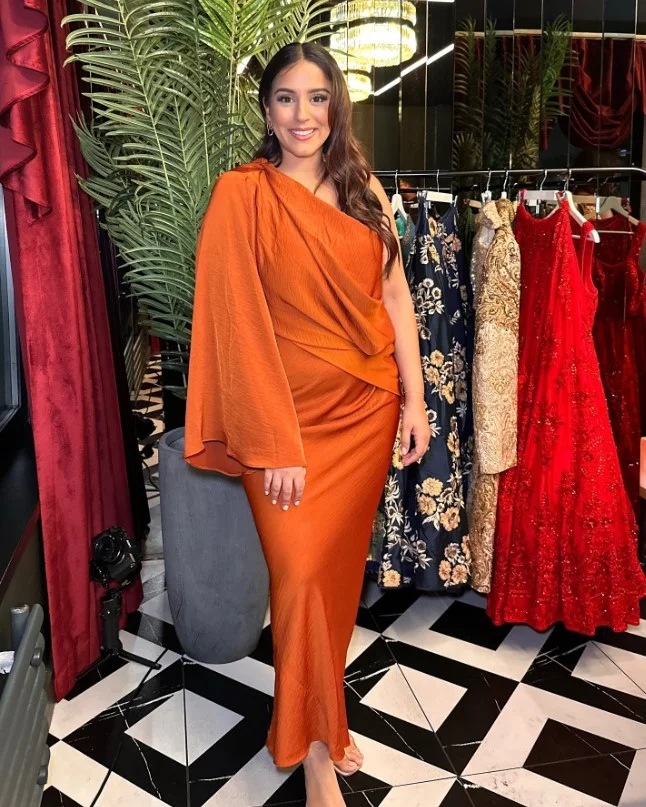
Burnt orange brings more depth than traditional orange, which gives warm skin a beautiful sunlit effect. I would use it for a statement top or dress and keep the rest of the outfit simple so the color has room to stand out. Cream, chocolate, olive, and warm denim make especially easy pairings. A burnt-orange accessory can also give a neutral outfit a quick lift without changing your whole look.
Pro Tip: If your skin has a muted quality, look for a slightly softened burnt orange instead of an intensely bright version.
8. Peach for a Soft Fresh Finish
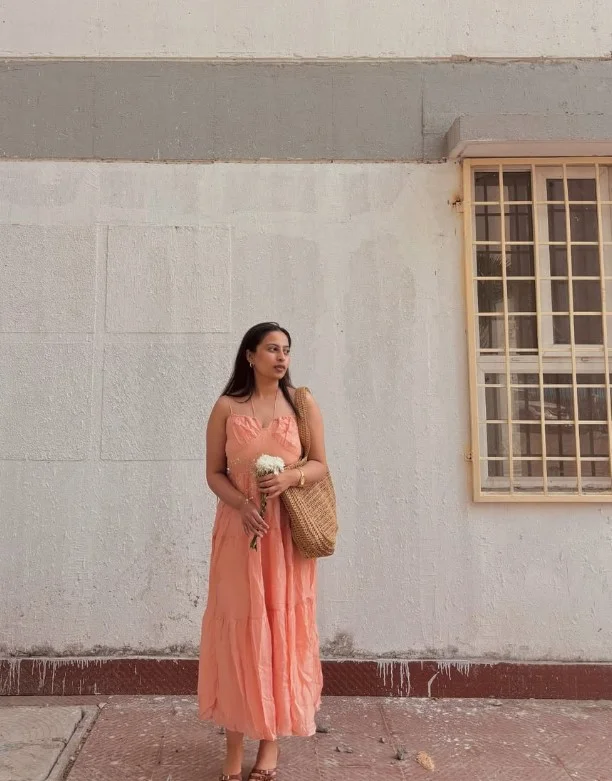
Peach is one of those colors I can wear when I want warmth without making the outfit feel heavy. Its soft mix of pink and orange looks fresh against golden or peachy undertones and works beautifully in lighter fabrics. I like it with ivory, camel, light denim, or warm brown for an easy daytime combination. It also makes a lovely choice for blouses, summer dresses, cardigans, and soft accessories.
Pro Tip: If pale peach disappears against your complexion, move toward apricot or a slightly deeper peach for more definition.
9. Coral for a Bright Feminine Pop

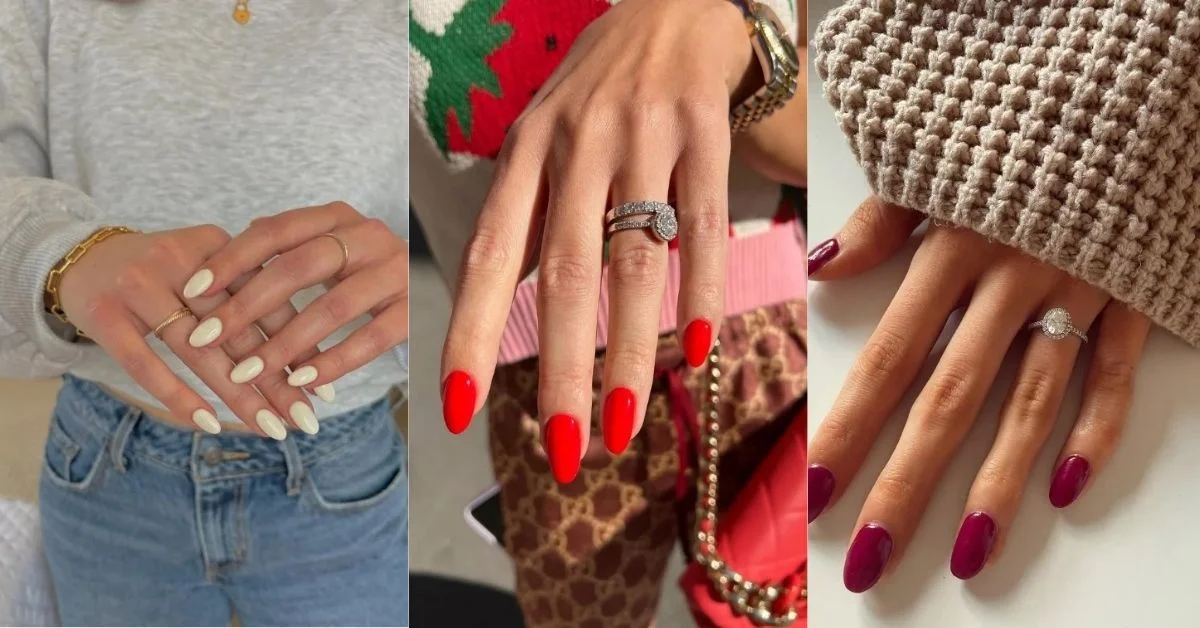
Coral gives a warm complexion instant energy without the intensity of a pure orange or fiery red. I reach for it when I want a cheerful color that still feels feminine and easy to style. A coral dress with gold sandals looks fresh in summer, while a coral top works beautifully with cream trousers or denim. The shade can also brighten a simple wardrobe through smaller pieces such as bags, scarves, or shoes.
Pro Tip: For a softer everyday look, choose muted coral; a clearer, brighter coral works better when you want the color to become the focal point.
10. Mustard Yellow for a Golden Warm Look
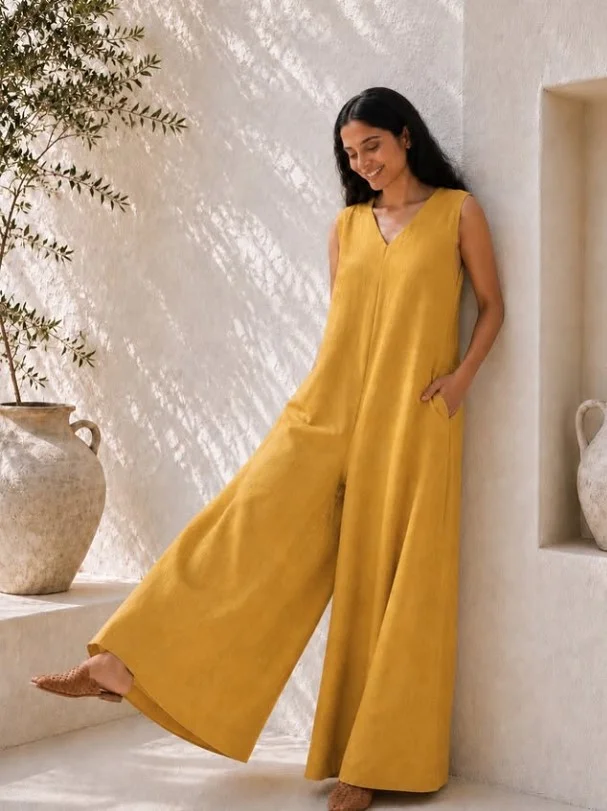
Mustard yellow has an earthy depth that makes yellow much easier to wear than a sharp lemon shade. I like the way it brings out golden warmth while adding personality to an otherwise neutral outfit. Try it with chocolate brown, ivory, olive, or dark denim for combinations that feel balanced rather than overly colorful. A mustard sweater or handbag is also an easy way to test the shade before committing to a full outfit.
Pro Tip: If mustard makes your complexion look flat, try a richer ochre with more brown in it; softer warm palettes often handle that depth better.
11. Golden Yellow for a Radiant Statement
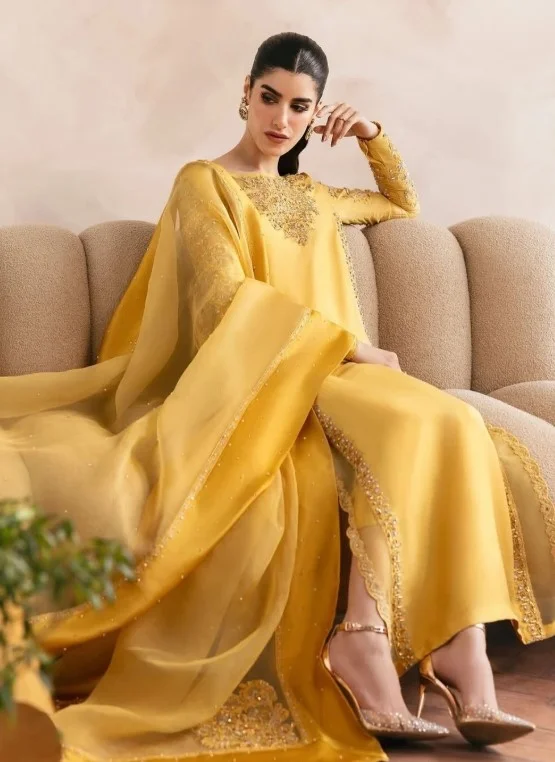
Golden yellow has a deeper, richer quality than pale lemon, which makes it especially striking with warm undertones. I’d choose it for a dress, blouse, or statement skirt when I want the color to be noticed without looking icy or washed out. Keeping the accessories simple lets the golden shade do most of the work. Cream, warm brown, and tan are easy partners when you want the finished outfit to feel polished.
Pro Tip: If a bright yellow feels overwhelming, try a darker golden shade with a slightly ochre finish for a softer effect.
12. Olive Green for an Effortless Earthy Style

Olive green is one of my favorite ways to add color without stepping too far outside a neutral wardrobe. Its earthy yellow-green base works naturally with warm complexions and looks relaxed in both casual and polished outfits. I would pair an olive shirt with cream trousers, or use an olive jacket to give jeans a more interesting finish. Gold jewelry and tan leather details bring out the warmth even more.
Pro Tip: Compare olive with cool khaki before buying; the warmer, more golden version is usually the better choice for a warm palette.
13. Forest Green for Rich Elegant Contrast

Forest green creates deeper contrast while still keeping an earthy quality that suits warm coloring. I love this shade for evening dresses, structured blazers, and knitwear because it feels sophisticated without relying on black. It looks particularly beautiful beside chocolate brown, cream, bronze, and warm gold. For a quieter outfit, even a forest-green handbag can add enough depth to make the whole look feel richer.
Pro Tip: If very blue-toned greens look cold against your skin, choose a forest shade with a subtle yellow or brown cast.
14. Warm Red for a Confident Classic Look
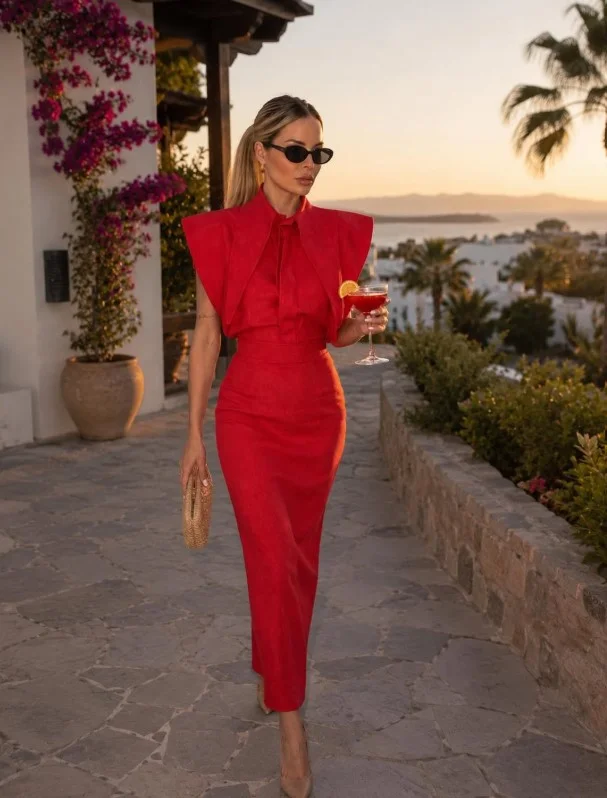
Warm red is a strong choice when I want an outfit to feel confident without looking overly dramatic. Shades with tomato, orange, or brick undertones tend to sit more naturally within a warm color palette than icy reds. I would let the red remain the star and keep shoes and accessories understated. A cream bag or gold jewelry can soften the contrast while keeping the outfit sharp.
Pro Tip: Hold a warm red and a blue-based red near your face in daylight; the difference in how your complexion responds can be surprisingly clear.
15. Tomato Red for a Fresh Vibrant Finish

Tomato red has a lively orange-red base that instantly wakes up a warm complexion. I like it for summer dresses, fitted tops, lipstick, or a small statement bag when a neutral wardrobe needs more energy. Denim, ivory, tan, and chocolate brown give this bright shade enough balance to stay stylish. It can look modern and fresh without needing a complicated outfit around it.
Pro Tip: If the color feels too vivid, use tomato red away from the face first through shoes or a handbag and see how comfortable you feel with it.
16. Burgundy for Deep Sophisticated Style
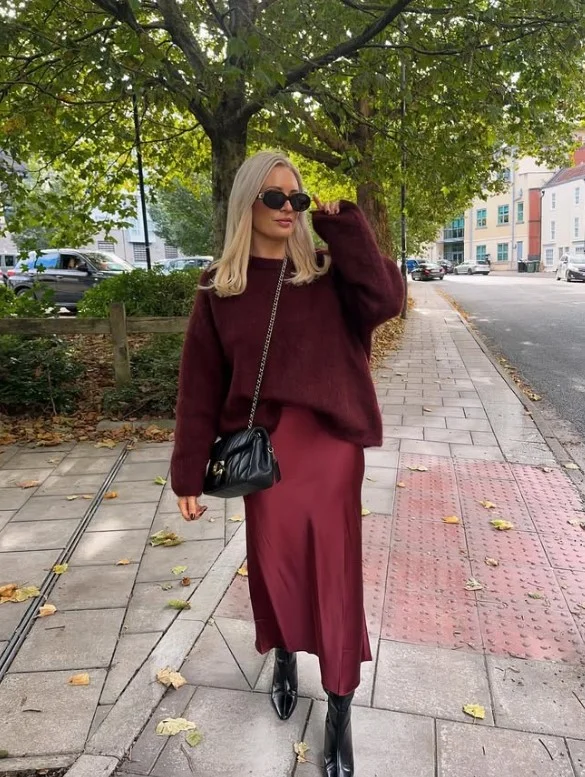
Burgundy brings depth to a warm wardrobe without becoming as severe as some very dark shades. I’d choose a warmer burgundy with red or brown undertones for evening outfits, winter knitwear, or polished accessories. It pairs beautifully with cream, camel, chocolate, and warm metallics when you want a richer seasonal palette. The deeper value also makes it an excellent choice when you enjoy dramatic colors but prefer them to feel refined.
Pro Tip: Check whether the burgundy leans red-brown rather than purple-blue if you want it to stay firmly within a warm palette.
17. Warm Teal for Striking Color Contrast

Warm teal is the shade I’d pick when I want something more interesting than the usual earthy colors. Its mix of blue and green creates contrast, while a greener or slightly warmer teal keeps the overall effect harmonious with warm skin. I love it with cream, camel, bronze, or dark brown because those shades take the chill out of the blue side. A teal blouse can make a simple pair of trousers feel instantly more memorable.
Pro Tip: Skip very icy blue-teal shades and look for teal with more green or a slightly deeper finish if you want a warmer effect.
18. Emerald Green for a Luxe Jewel-Tone Look

Emerald green brings a rich, jewel-like depth that can look stunning against warm complexions. I’d wear it when I want a stronger color for dinner, weddings, parties, or a dressed-up evening. Gold earrings or a warm metallic bag make the combination feel especially luxurious without adding another loud color. If a full emerald dress feels too bold, a clutch, shoe, or satin top can give you the same effect on a smaller scale.
Pro Tip: Compare emerald shades before choosing one; a warmer, richer green can be easier to wear than an emerald that pulls strongly toward cool blue.
19. Golden Brown for a Soft Rich Finish
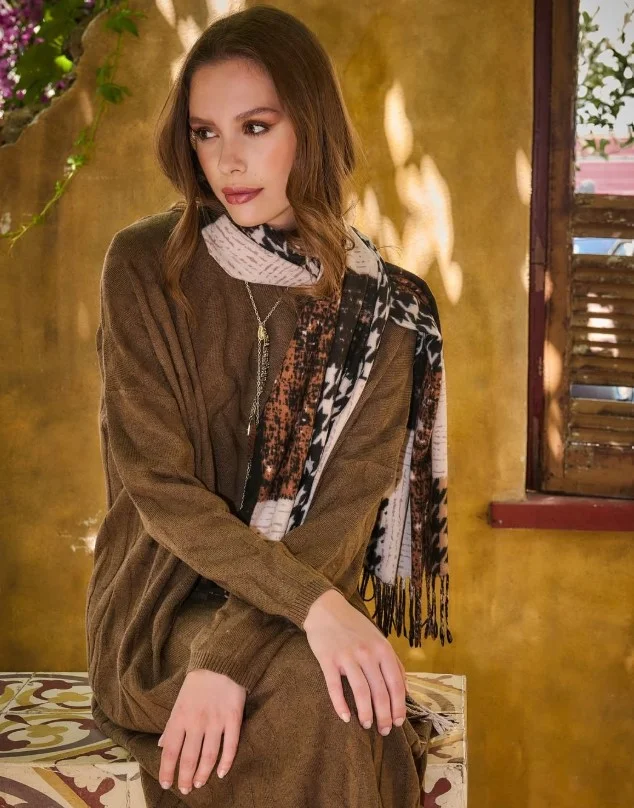
Golden brown sits in that sweet spot between warm beige and deeper chocolate, so it gives an outfit plenty of depth without looking severe. I like this shade for knit dresses, trousers, jackets, and suede pieces when I want something relaxed but still refined. It looks particularly good with cream, ivory, rust, olive, and warm denim, which makes it easy to build a full outfit around. For me, it is the kind of color that looks even better when paired with simple textures instead of lots of decoration.
Pro Tip: Look for golden brown with visible honey or caramel warmth rather than a flat gray-brown when shopping for pieces near your face.
20. Warm Gold for a Luminous Statement Look

Warm gold can bring out the natural golden quality of warm skin in a way that feels bright without being harsh. I’d use it thoughtfully through jewelry, satin, metallic shoes, handbags, or a special-occasion dress rather than wearing several shiny pieces together. Cream, chocolate, camel, and deep olive create beautiful backgrounds when gold is the star. The result feels polished and radiant while still keeping the rest of the outfit easy to wear.
Pro Tip: If yellow gold feels too bright on you, try antique gold or brushed gold for a softer finish with the same warm character.
How to Choose the Best Colors for Warm Skin Tone
What makes a color look amazing on you instead of simply “warm”? I look at three things: undertone, depth, and contrast. Warm skin often suits golden, peachy, earthy, and rich shades, but the exact version matters just as much.
If cream makes your face look fresher than stark white, or gold feels more natural than silver, you may already have a good clue. From there, test colors in daylight and pay attention to which ones make your complexion look brighter and more even.
| Your goal | Try first | Easy pairing |
|---|---|---|
| Everyday polish | Cream, camel | Tan or brown |
| Soft color | Peach, coral | Ivory |
| Earthy style | Rust, terracotta | Olive or chocolate |
| Rich contrast | Forest, emerald | Cream or gold |
| Bold color | Tomato red | Denim or tan |
| Golden glow | Mustard, warm gold | Chocolate brown |
Quick tip: If a shade looks good in theory but makes your face appear dull, try a warmer, deeper, or slightly brighter version before ruling out the whole color family.
Styling and Maintenance Tips
The right color should make getting dressed easier, not harder. I like keeping the outfit simple when the color itself already has plenty of personality.
- Let one shade stand out. A strong red, rust, or emerald piece does not need several competing colors.
- Use warm neutrals as your base. Cream, camel, tan, and chocolate make brighter shades easier to wear.
- Bring the warmth into accessories. Gold jewelry, tan leather, or warm brown shoes can pull the whole outfit together.
- Check clothes in daylight. Indoor lighting can change the way warm and cool colors appear.
- Protect rich colors when washing. Follow the care label and avoid unnecessary heat to help prevent fading.
- Move difficult colors away from your face. If you love a cooler shade, try it in trousers, shoes, or a handbag instead.
- Think beyond undertone. A warm shade can still overwhelm a delicate complexion, while a deeper warm color may look striking on richer skin. Color depth and contrast matter.
Final Thoughts
The best colors for warm skin tone are the shades that make your complexion look fresh, balanced, and naturally alive. Cream, camel, peach, coral, terracotta, rust, olive, warm red, rich green, chocolate, and golden tones give you plenty to work with.
I would start with the three colors that make you feel instantly good in the mirror. Once you know those, shopping becomes much easier—you can experiment with lighter, deeper, or brighter versions without starting from scratch.
FAQs
What are the best colors for a warm skin tone?
Some of the most flattering choices include cream, ivory, camel, caramel, chocolate brown, terracotta, rust, peach, coral, mustard, olive, warm red, and golden shades. Richer colors such as emerald and forest green can also create beautiful contrast.
What colors make warm skin look brighter?
Peach, coral, warm red, golden yellow, cream, and warm green can give a warm complexion a lively appearance. The best choice depends on your skin depth and how much contrast you naturally have.
Can warm skin tones wear blue?
Yes. Warm skin can look beautiful in warmer or deeper blue-green shades such as teal, peacock blue, and certain rich jewel tones. Very icy or powdery blues may create a cooler contrast, so compare shades in natural light before choosing one.
Does white look good on warm skin?
Soft white shades such as cream and ivory are often easier to wear than stark optical white because they have a warmer quality. If bright white makes your complexion look flat, try a warmer off-white instead.
What jewelry color looks best with warm skin?
Yellow gold, antique gold, and rose gold are popular choices for warm undertones because their warmth complements golden or peachy skin. However, personal preference and the specific shade of your skin still matter, so try different metals before deciding.