

KEY TAKEAWAYS
- Your olive undertone changes everything. Warm olive skin can glow in peach, coral, terracotta, and golden tones, while cool olive skin often suits mauve, berry, and cool rose.
- The prettiest blush is not always the brightest one. A shade with the right depth can make olive skin look fresh and defined instead of chalky, gray, or overly orange.
- Want your blush to look naturally blended? Choose a buildable formula, start with a small amount, and check the finished color in natural daylight before adding more.
What is the best blush color for olive skin when some shades look too orange, and others seem to disappear? I always start with the undertone because olive skin can lean warm, cool, or neutral even when the surface looks similar.
Peach, coral, terracotta, bronzy rose, and cinnamon can be especially flattering on warm olive complexions. The goal is a blush that brings life to your cheeks while still looking like it belongs with your natural coloring.
20 Best Blush Colors for Olive Skin
Finally: blush that actually brings your cheeks to life instead of turning muddy or grey.
1. Peach Blush for Warm Olive Skin
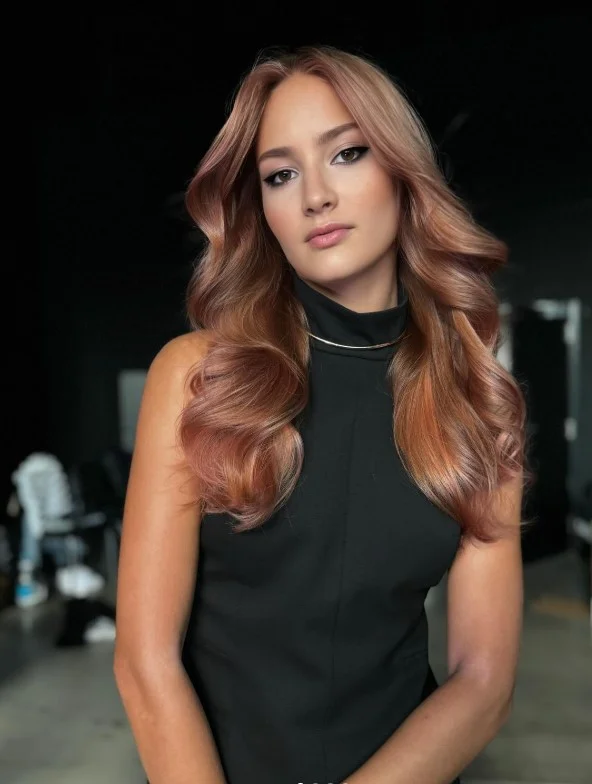
Peach is an easy starting point if your olive skin has a warm or golden cast. The mix of pink and orange adds freshness without creating the overly rosy effect that some cool pinks can produce. For everyday makeup, I’d pair it with warm bronzer, soft brown liner, and a peachy nude lip for a balanced finish. A medium peach is especially useful when you want visible color without making the cheeks the main focus.
Pro Tip: If pale peach looks chalky on your complexion, move toward a deeper apricot shade with more warmth and pigment.
2. Warm Coral Blush for a Sun-Kissed Glow
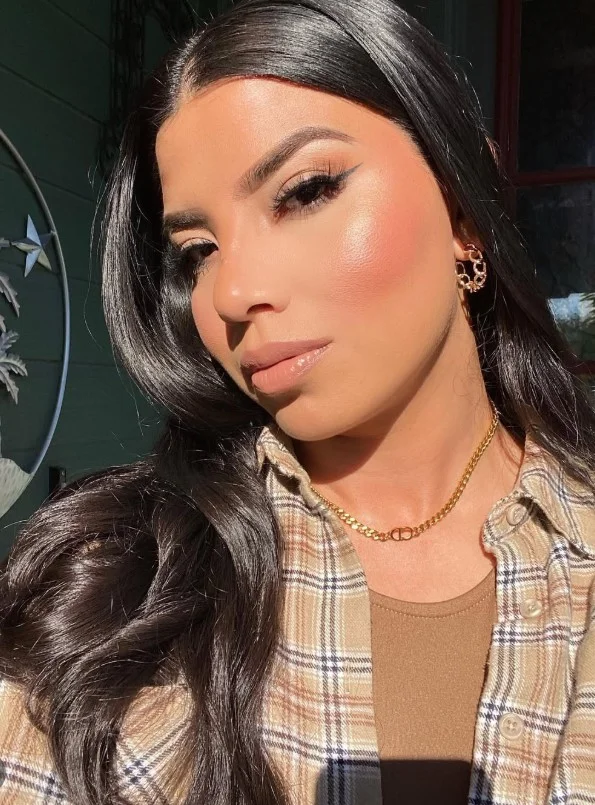
When I want olive skin to look brighter and more sun-kissed, warm coral is one of the shades I reach for first. Its orange-pink balance gives the cheeks energy while working naturally with golden undertones. Keep the rest of the makeup simple with bronzer, mascara, and a warm nude lip, and the coral becomes the fresh detail that pulls everything together. It is also a great choice for summer because the color looks lively without needing a heavy base.
Pro Tip: If your complexion is deeper, choose a richer coral instead of a very pale one so the blush stays visible after blending.
3. Terracotta Blush for Golden Olive Undertones

Terracotta has an earthy red-orange quality that can look remarkably natural on golden olive skin. Unlike a bright coral, it adds warmth with a little more depth, making it a strong option for autumn makeup or softly bronzed looks. I like it swept slightly higher on the cheeks with a warm bronzer underneath, especially when the eyes and lips stay in the brown or caramel family. The result feels polished rather than overly colorful.
Pro Tip: Avoid terracotta shades that turn strongly orange on your skin; a muted red-brown version usually gives a more refined finish.
4. Bronzy Rose Blush for a Warm Olive Glow

Bronzy rose sits between blush and bronzer, which makes it useful when you want warmth without a sharply defined cheek color. The rose keeps the face looking fresh, while the brown and bronze tones help the shade blend into olive skin more naturally. For a dinner look, I’d add a softly luminous version over bronzer and keep the high points of the face subtle. It can also work beautifully with rose-brown lipstick for a coordinated makeup look.
Pro Tip: Light olive skin usually needs a softer bronzy rose, while medium and deeper olive tones can handle richer pigment without losing the rosy effect.
5. Cinnamon Blush for a Warm Monochromatic Look
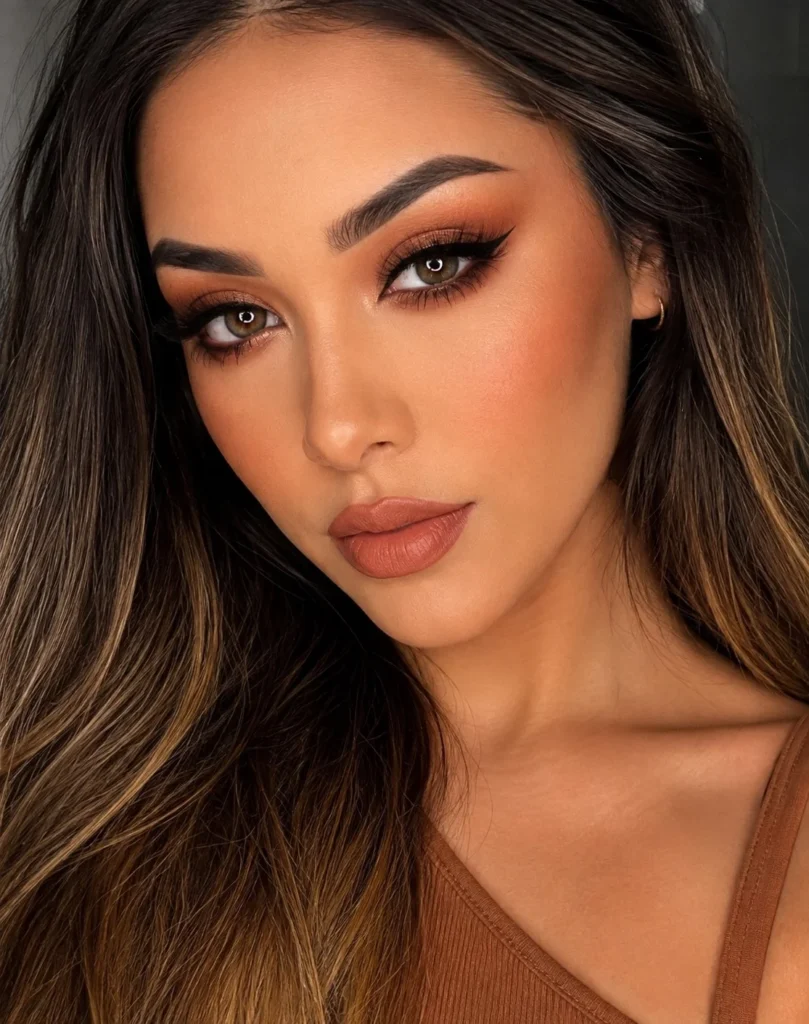
Cinnamon brings a toasted brown-orange warmth to the cheeks and is ideal for a makeup look built around earthy tones. I’d use it with cinnamon lipstick, caramel eyeshadow, and a touch of bronzer when I want everything to feel connected without looking overly matched. Because the shade is naturally deeper than peach, a small amount can add noticeable warmth and subtle definition. It is particularly pretty for fall, evening makeup, or neutral outfits that need a little more color.
Pro Tip: Start with less than you think you need and build the pigment gradually; cinnamon blush can become much richer once it is layered.
6. Dusty Mauve Blush for Cool Olive Skin

Dusty mauve is a smart choice when your olive skin has a cooler, slightly gray-green cast and bright pinks look too loud. The muted purple-pink tone adds color without fighting the natural depth of your complexion. I’d keep the rest of the makeup soft with taupe eyeshadow and a rosy nude lip so the cheeks stay believable. This is also one of those shades that can look surprisingly natural when blended lightly rather than packed onto the cheek.
Pro Tip: If mauve looks too purple in the pan, sheer it out with a clean brush before adding more product.
7. Berry Blush for Cool-Toned Olive Skin

Berry blush brings a deeper pink-red tone to cool olive skin and can give the face a healthy, fresh-looking flush. I prefer muted berry for daytime because it has enough depth to show clearly without looking overly bright. For evening makeup, you can build the same shade and pair it with soft liner and a berry-toned lip. Current olive-skin guidance also places berry among the most flattering families for cool undertones.
Pro Tip: Test berry blush with your foundation already applied; some shades can look much stronger over a full-coverage base than they do on bare skin.
8. Plum Blush for Deep Cool Olive Skin
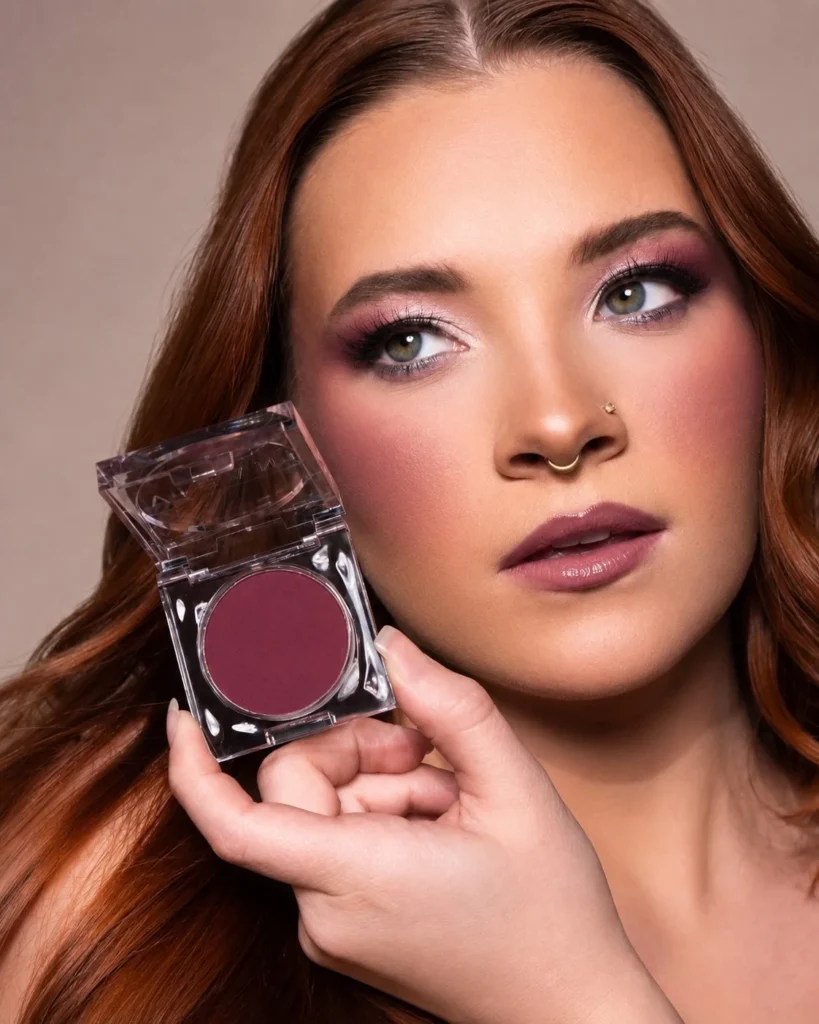
Plum gives deeper cool olive skin the richness needed for a blush to remain visible after blending. Rather than choosing a very purple formula, I’d look for plum with a muted berry or red undertone so the cheeks still look natural. It works particularly well with neutral eyeshadow, soft contour, and a cool-toned lip when you want a more refined evening look. Deeper complexions generally benefit from stronger pigment because very sheer blush can disappear instead of creating a visible flush.
Pro Tip: Apply plum to the back of your hand first and pick up a small amount with your brush; this gives you far more control over a deeply pigmented formula.
9. Raspberry Blush for a Bright Pop of Color

Raspberry is the shade I’d pick when a soft blush feels too quiet, but full-on fuchsia feels like too much. Its pink-red character gives olive skin a lively pop while still keeping the color connected to the natural flush of the cheeks. A sheer layer works beautifully for daytime, whereas a second pass can turn it into a statement for dinner or an event. It also pairs nicely with a simple pink lip when you want the whole makeup look to feel fresh rather than heavily coordinated.
Pro Tip: Keep raspberry concentrated toward the outer cheek and blend inward with whatever pigment remains on the brush for a softer edge.
10. Mauve Berry Blush for a Romantic Makeup Look
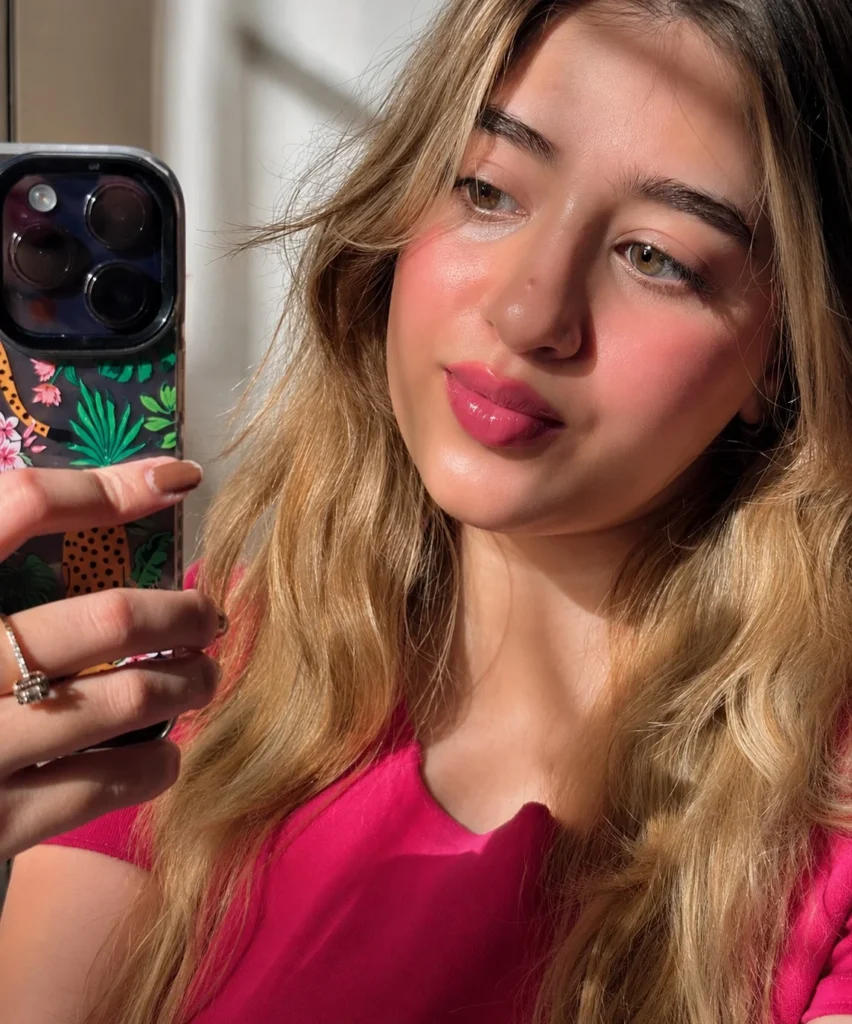
Mauve berry combines the softness of mauve with the richer depth of berry, making it a beautiful middle ground for cool olive skin. I’d reach for this shade when I want romantic cheeks that still have enough color to show through a natural-looking base. Pair it with softly defined lashes, a muted rose lip, and a touch of highlighter for an evening look that feels polished without becoming dramatic. Muted berry and mauve shades are also frequently recommended for cool olive complexions because their lower-intensity color can harmonize more easily with the skin.
Pro Tip: If your blush tends to turn too pink after a few minutes, start with a more muted mauve berry instead of choosing a brighter berry and trying to tone it down later.
11. Soft Rose Blush for a Natural Flush

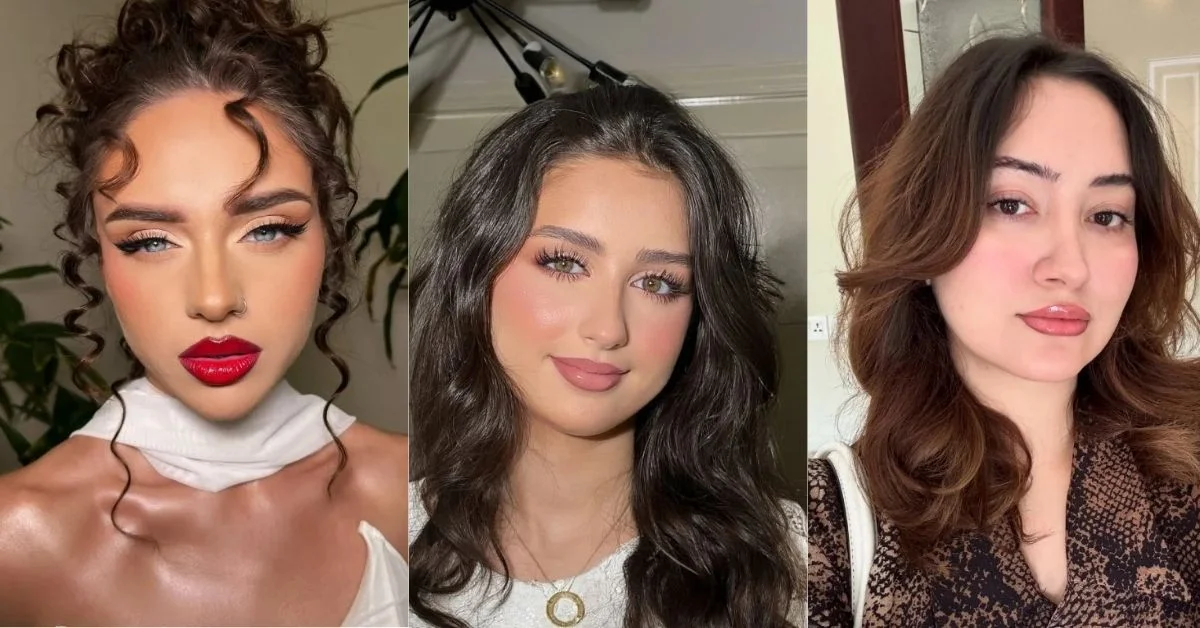
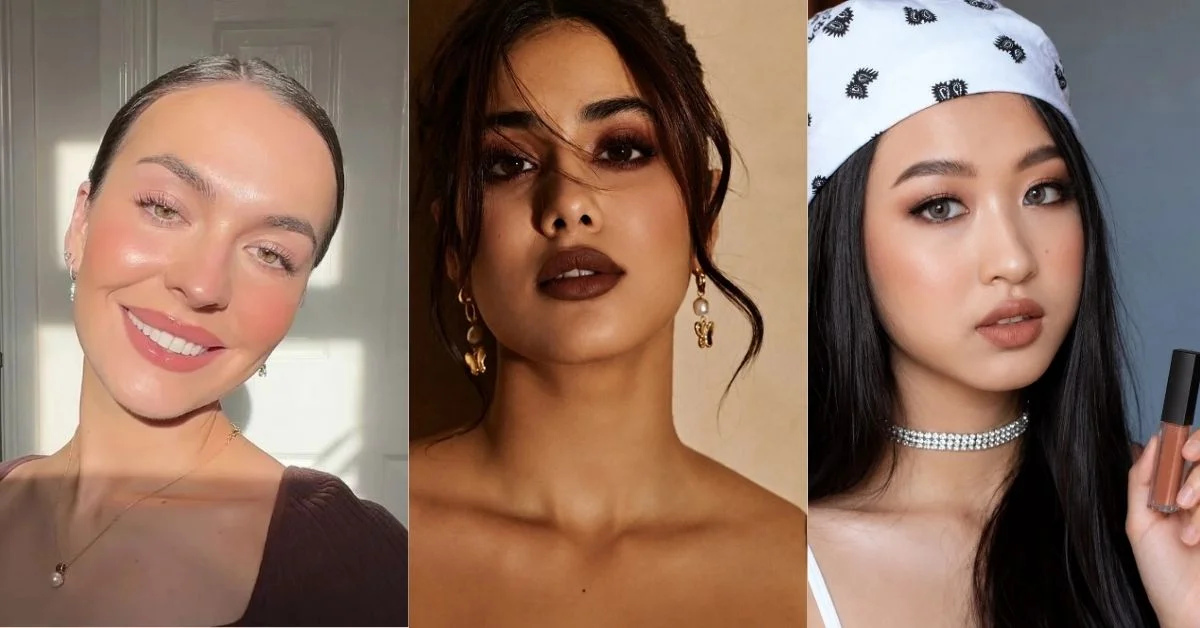
Soft rose is the kind of shade I reach for when I want my cheeks to look naturally flushed rather than obviously made up. Its balanced pink tone can suit neutral olive skin particularly well because it adds color without leaning strongly orange or purple. Keep the application close to the upper apples of the cheeks and blend outward for a fresh daytime finish. It also pairs easily with neutral eyeshadow and a rosy nude lip when you want the makeup to feel effortless.
Pro Tip: If your olive skin tends to mute blush, choose a medium rose instead of an ultra-pale pink so the color remains visible after blending.
12. Peachy Pink Blush for Neutral Olive Skin
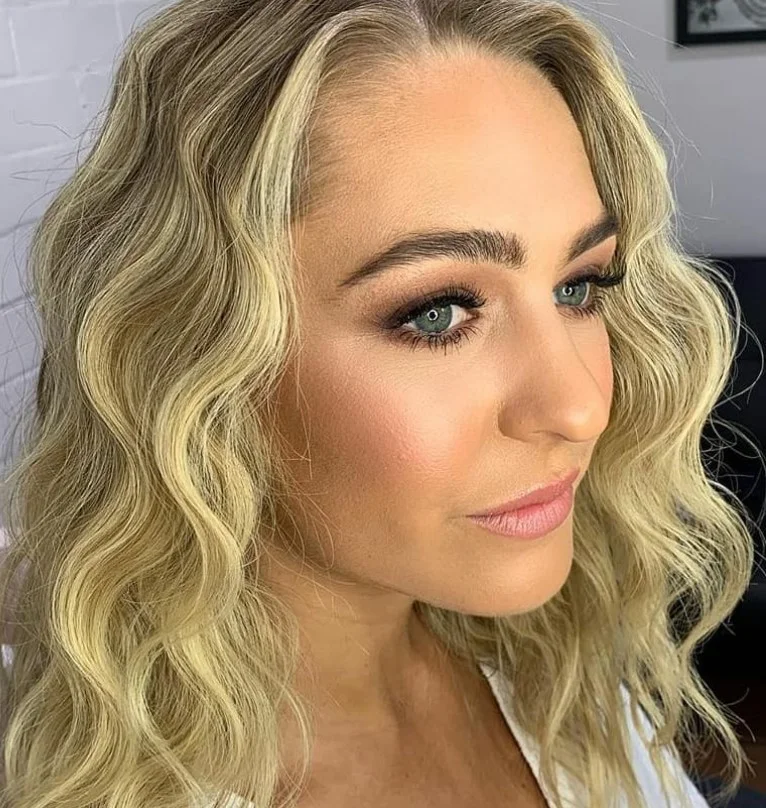
Peachy pink gives neutral olive skin the best of two worlds: a touch of warmth with enough pink to keep the cheeks looking fresh. I’d pick this shade when straight peach feels too orange, but a traditional pink makes the complexion look flat. It works especially well with light bronzer and soft brown eye makeup, making it an easy choice for everyday wear. A satin or cream formula can make the color look more blended into the skin instead of sitting heavily on top.
Pro Tip: Swatch peachy pink beside your bare skin in daylight; if it immediately turns orange, move toward a more neutral pink-peach.
13. Muted Rose Blush for an Effortless Finish
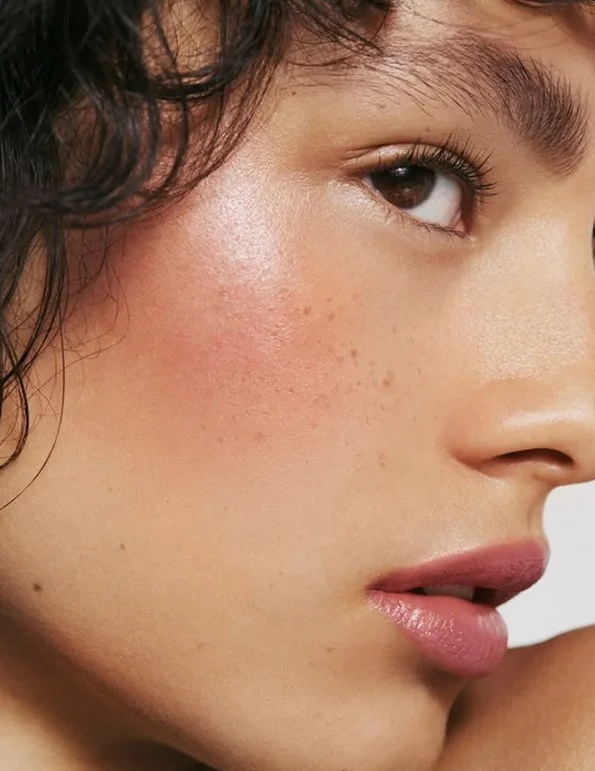
Muted rose is a quiet shade, but that is exactly why it can be so useful on olive skin. The softened pigment gives the cheeks definition without the high contrast that brighter pinks can create against a green or golden cast. I’d wear it with a simple base, brushed brows, and a neutral lip when I want polished makeup that does not look overly styled. Real-world olive-skin discussions also frequently favor muted rose and rose-brown families for everyday wear.
Pro Tip: If a muted rose looks gray after blending, choose one with slightly more red in the base rather than adding extra layers.
14. Soft Pink Blush for Light Olive Skin
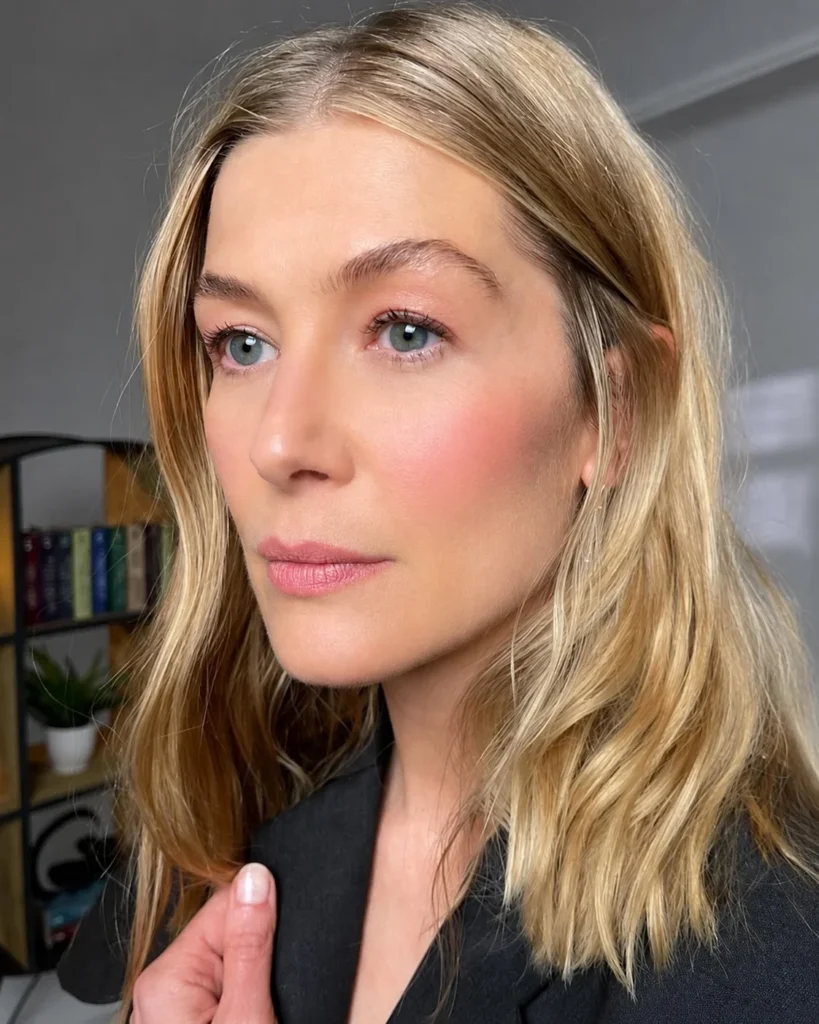
Soft pink can look beautiful on light olive skin when the shade has enough depth and does not become chalky. Very pale baby pinks can disappear against olive undertones, so I prefer a slightly richer soft pink with a neutral or cool base. Apply a small amount high on the cheeks and let your natural skin show through instead of building a heavy layer. Current olive-skin guidance also notes that neutral olive complexions can work well with soft pink, while extremely sheer pastels may lack enough pigment to register.
Pro Tip: If the pink disappears completely after five minutes, try a mid-tone rose-pink rather than layering more of the same pale shade.
15. Neutral Peach Blush for Everyday Olive Skin
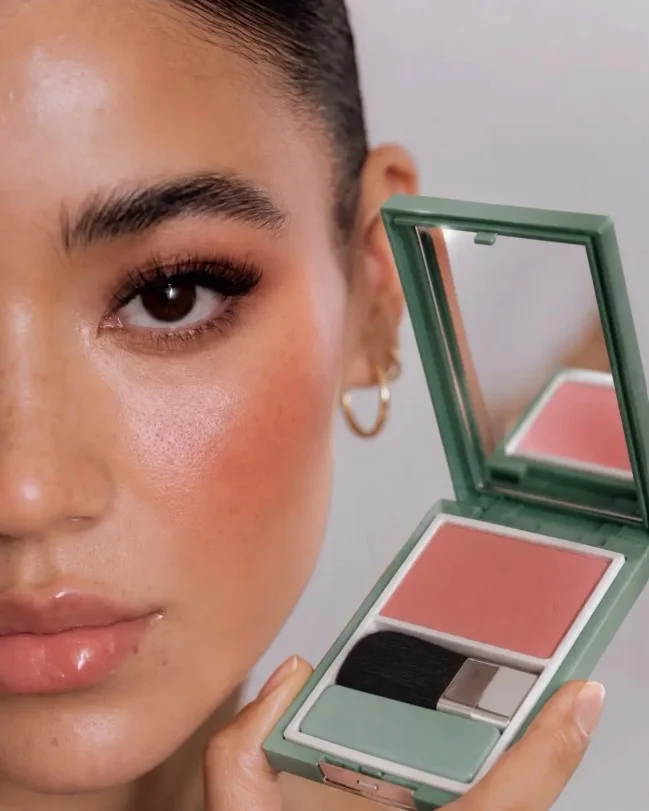
Neutral peach is a great middle ground when you cannot decide between a warm blush and a rosy one. Its balanced tone gives olive skin a healthy-looking touch of color without pushing the complexion strongly toward orange or pink. I’d keep this shade in my everyday makeup bag because it works with denim, office makeup, soft glam, and simple weekend looks. For the most natural result, use a buildable formula and stop as soon as the cheeks look softly alive.
Pro Tip: If your complexion changes with the seasons, a buildable neutral peach is easier to adjust than a highly saturated blush because you can sheer it out or add another layer as needed.
16. Warm Pink Blush for Golden Olive Skin

Warm pink is a lovely choice when you want the freshness of pink without losing the golden warmth in your complexion. Unlike an icy pink, a warmer version blends more naturally with golden olive skin and can give the cheeks a healthy, lively finish. I’d wear it with soft brown eyeshadow and a peachy nude lip when I want polished makeup that still feels easy. This shade is especially useful when coral feels too orange but a classic pink feels too cool.
Pro Tip: Look for warm pink with a subtle peach or golden base rather than a strong blue undertone.
17. Burnt Peach Blush for Medium Olive Skin
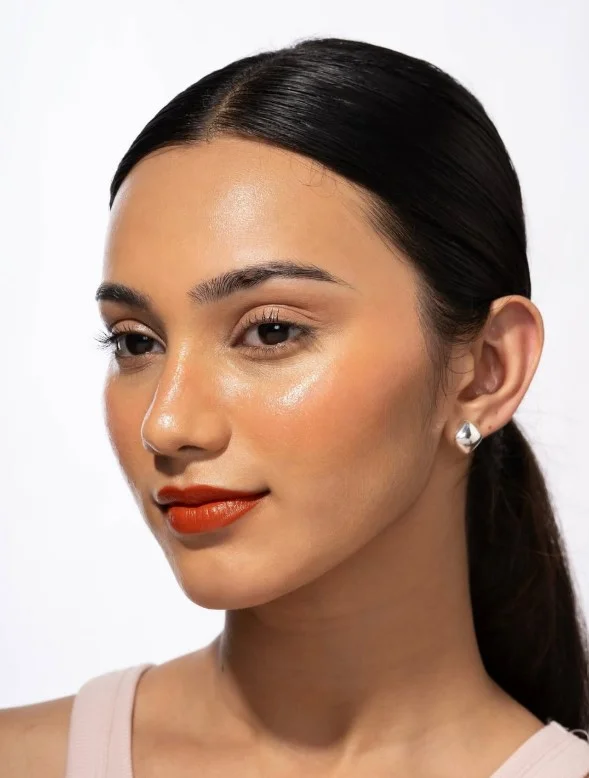
Burnt peach has more depth than a soft peach, so it can hold its own beautifully on medium olive skin. The slightly browned tone gives the cheeks warmth without creating the flat orange effect that some bright peach shades can leave behind. For a softly bronzed face, I’d place it above the natural hollow of the cheek and blend the edges until there is no obvious line. Richer peach and terracotta families are particularly useful when olive skin needs enough saturation to keep the blush visible.
Pro Tip: If burnt peach looks too strong at first, press a clean sponge over the edges instead of adding more foundation on top.
18. Rose Brown Blush for a Soft Sculpted Effect

Rose brown gives you a little color and depth in one step, which makes it a smart option for understated makeup. The rosy side keeps the cheeks from looking flat, while the brown base adds a softly sculpted quality that works well with olive skin. I’d choose this shade for office makeup, neutral outfits, or days when I want definition without a bright pop of blush. It also sits naturally beside brown lip colors and soft bronze eyeshadow.
Pro Tip: Apply rose brown slightly higher on the cheek rather than deep in the hollow; higher placement can keep the face looking fresh and lifted.
19. Golden Peach Blush for Radiant Olive Skin

Golden peach catches the light beautifully when olive skin has a warm or yellow-gold undertone. The peach brings visible color, while the golden quality helps the blush blend into the warmth already present in the complexion. I’d keep the eyes simple and use a warm nude lip so the cheeks remain the bright point of the makeup. A softly luminous formula can look especially pretty here because it adds radiance without requiring a separate dramatic highlight.
Pro Tip: If you have noticeable texture on your cheeks, choose a satin finish instead of chunky shimmer for a smoother-looking glow.
20. Rich Brick Blush for Deep Warm Olive Complexions
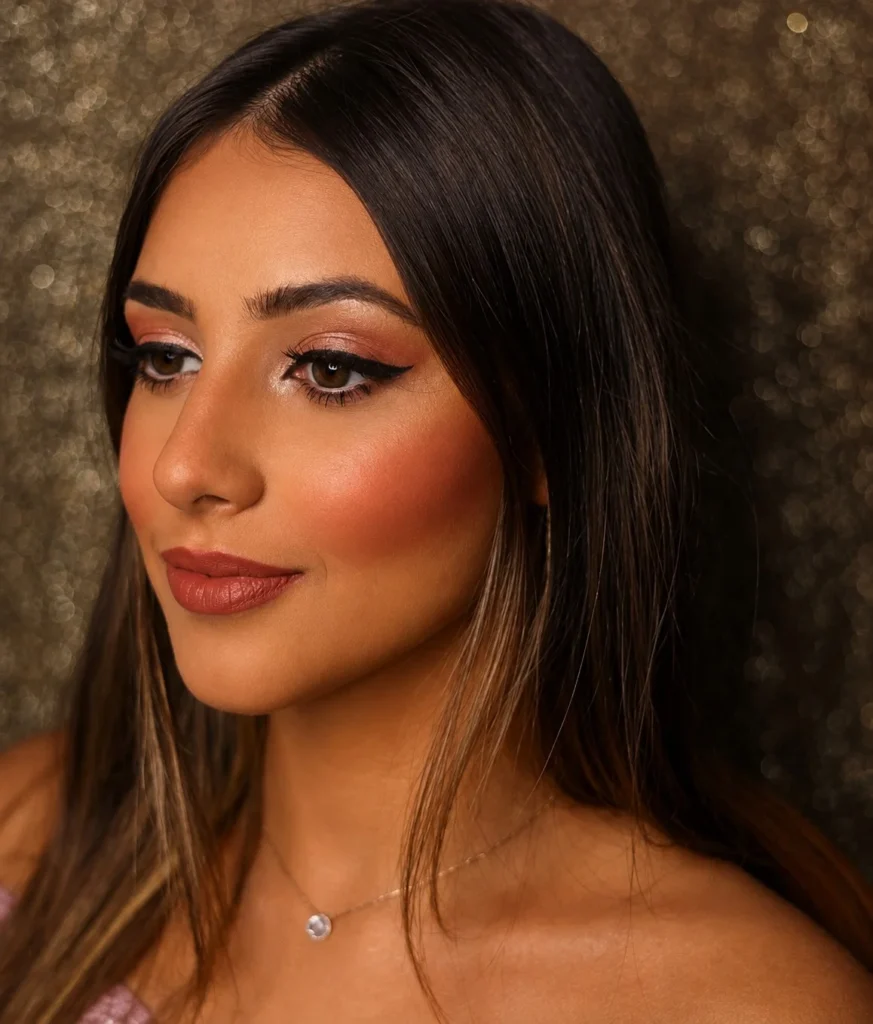
Rich brick is made for the days when you want blush with presence rather than a barely-there flush. Its deep red, brown, and warm earthy character can complement deeper golden olive skin without looking washed out or pale. I’d pair it with bronzed eyes, softly defined lashes, and a warm brown or brick-toned lip for an evening look that feels intentional. Because the pigment can be strong, starting with a tiny amount gives you much more control over the final color. Richer brick and terracotta tones are also recommended for medium-to-deep olive complexions because they provide enough saturation to remain visible.
Pro Tip: Pick up the product with the brush, tap most of it onto your hand, and then build the color on your cheeks instead of applying a full load directly to the skin.
How to Choose the Best Blush Color for Olive Skin
The easiest way to narrow down the best blush color for olive skin is to identify whether your olive undertone leans warm, cool, or neutral. Warm olive skin usually works well with peach, coral, terracotta, and golden shades, while cool olive can handle dusty mauve, berry, and cool rose beautifully. Neutral olive gives you more freedom to move between both families.
| Your olive undertone | Start with | If you want… |
|---|---|---|
| Warm | Peach, coral, terracotta | A warm, sun-kissed flush |
| Cool | Mauve, berry, cool rose | Fresh contrast |
| Neutral | Soft rose, peachy pink, neutral peach | Easy everyday color |
| Deep warm | Burnt peach, rich brick, terracotta | Stronger definition |
| Light olive | Soft pink, muted rose, light peach | A delicate flush |
One useful trick is to test the shade in natural daylight instead of judging it only under store lighting. If the blush turns gray, chalky, or strangely orange after blending, the undertone may not be working with your skin.
Styling and Maintenance Tips
A good blush shade can still look wrong if too much product is applied or the formula does not suit the rest of the makeup. I find that a lighter hand usually gives olive skin a more natural finish, especially with highly pigmented shades.
- Start with a small amount. You can always build more color, but removing excess blush is harder.
- Use the right tool. A fluffy brush works well for powder, while fingers, a sponge, or a denser brush can help blend cream formulas.
- Build thin layers. Gradual application gives you better control over strong shades such as berry, plum, and brick.
- Place blush slightly higher when you want a lifted appearance rather than concentrating it low in the cheek hollow.
- Match the finish to your makeup. Cream blush can give a more skin-like, dewy effect, while powder offers a softer, more diffused finish.
- Do not judge a color from the pan alone. Your olive undertone can change how the pigment actually reads on the face.
- Check the shade after blending. A color that looks perfect before blending may become too gray, orange, or pale once sheered out.
- Keep your blush brush clean. Old pigment can muddy a new shade and make color matching much harder.
- Pair warm blush with intention. Peach, coral, and terracotta can look especially cohesive with warm bronzer and golden makeup.
- Let stronger blush stand alone. If you choose rich berry, plum, or brick, keeping the eyes and lips simpler can make the whole face look more balanced.
Final Thoughts
There is no single shade that deserves the title of best blush color for olive skin because olive complexions can lean warm, cool, or neutral. Start with your undertone, then consider how much depth and contrast you want from the finished makeup. Warm olive skin can glow in peach, coral, terracotta, and golden tones, while cool olive complexions have plenty of room for mauve, berry, and plum. Neutral olive skin gives you the freedom to move between both sides.
If I wanted one dependable everyday option, I’d start with a balanced peach or soft rose and adjust from there. For a warmer glow, terracotta and golden peach are excellent choices; when I want more drama, berry, plum, or rich brick bring the color without making the complexion look dull.
FAQs
What is the best blush color for olive skin?
The best blush color for olive skin depends on your undertone. Warm olive complexions can look beautiful with peach, coral, terracotta, and golden peach, while cool olive skin often suits dusty mauve, berry, and cool rose shades. Neutral olive skin has more flexibility and can wear both warm and cool families.
Is peach blush good for olive skin?
Yes. Peach is one of the most versatile choices for olive skin, especially when the complexion has warm or golden undertones. A medium or buildable peach can add warmth without looking overly orange.
What blush shades should olive skin avoid?
Very pale pastels, extremely light nudes, and some overly orange shades can be difficult for olive skin because they may look chalky, muddy, or disappear after blending. Instead of following a strict “avoid” list, test the shade on your skin and check how it looks in natural light.
Is cream or powder blush better for olive skin?
Both can work beautifully. Cream blush tends to give a dewy, skin-like finish, while powder can provide a softer, more diffused effect and is easy to build gradually. Your preferred finish and skin type can help determine which formula feels best.
How do I know if I have warm, cool, or neutral olive skin?
Look at your skin in natural daylight and pay attention to the overall cast rather than relying on one test alone. Green-gold-looking veins can point toward warm olive, blue-gray can suggest cool olive, and a mixture may indicate neutral olive.